Event Details
Date & Time:
Fri October 9, 2026
7 PM
Audience:
Open to the public

Details:
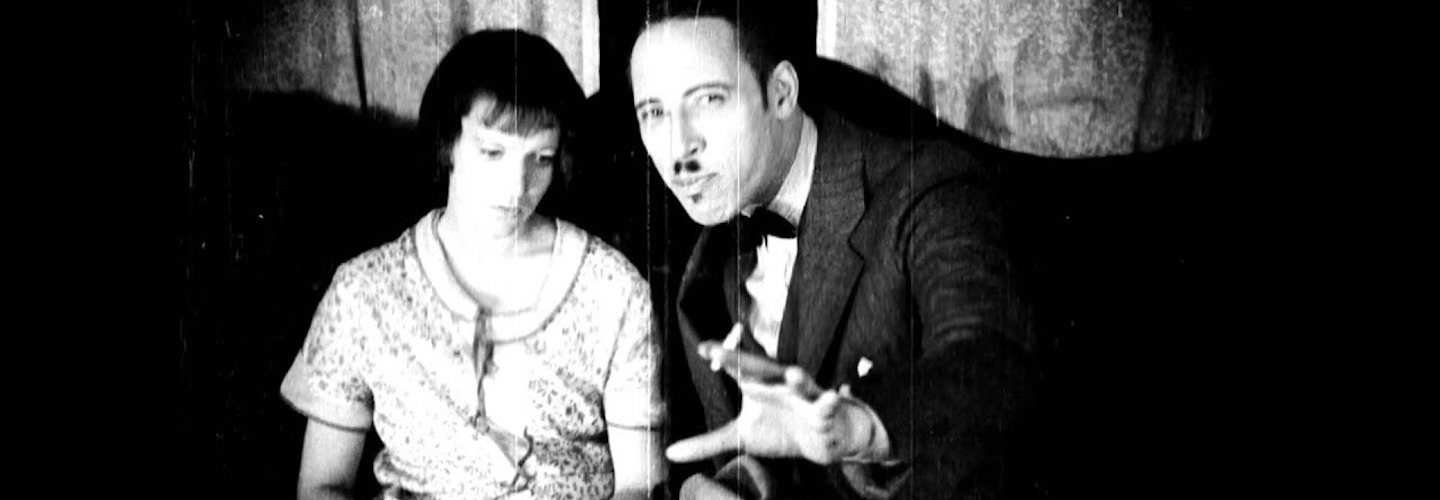
ELEVEN P.M. (1928) in 35mm with live score by Damon Locks
ELEVEN P.M. (Richard D. Maurice, 1928, 66 min, 35mm from the Library of Congress)

A dark, dreamy tale about fate, betrayal, and avenging spirituality, ELEVEN P.M. is more than a historical curio – it’s a creative triumph of the silent film era. The second and final feature by little-known independent filmmaker Richard D. Maurice, ELEVEN P.M. is an avant-garde surrealist melodrama starring an all African-American cast and set in Detroit, Michigan. The story, framed within the dream of a slumbering writer, follows the journey of poor busker Sundaisy (played by director Maurice himself) who seeks to protect others from the criminal underbelly of the city, often to his own detriment. In the end, only a startling supernatural transformation allows him to settle scores he could not as a man – culminating in a finale billed as "the most thrilling surprise the screen has yet registered."
As Pearl Bowser and Charles Musser have observed, “Maurice’s innovative use of cinematography – location filming, unusual angles, and tracking shots as well as special, almost surrealist effects – distinguish the film from its surviving counterparts” of the silent era. These bold visual and narrative interventions resonate with the collagist sensibilities of Chicago visual artist and musician Damon Locks. In a recent artist statement, Locks observes that “the problem-solving, tension-building, layered meanings of using sound samples from across decades of Black culture sonically mirrors my visual collage process, manipulating tone, density, contrast, clarity, dissonance, and harmony.” For this screening, Block Cinema will welcome Locks to perform a live musical accompaniment to ELEVEN P.M., presented in partnership with Chicago-born record company International Anthem.
ELEVEN P.M. will be projected in a restored 35mm print from the Library of Congress, and will be preceded by a talk by Northwestern Screen Cultures doctoral candidate Tayler Scriber introducing the film and to its mysterious maker, Richard D. Maurice.

About the musician:
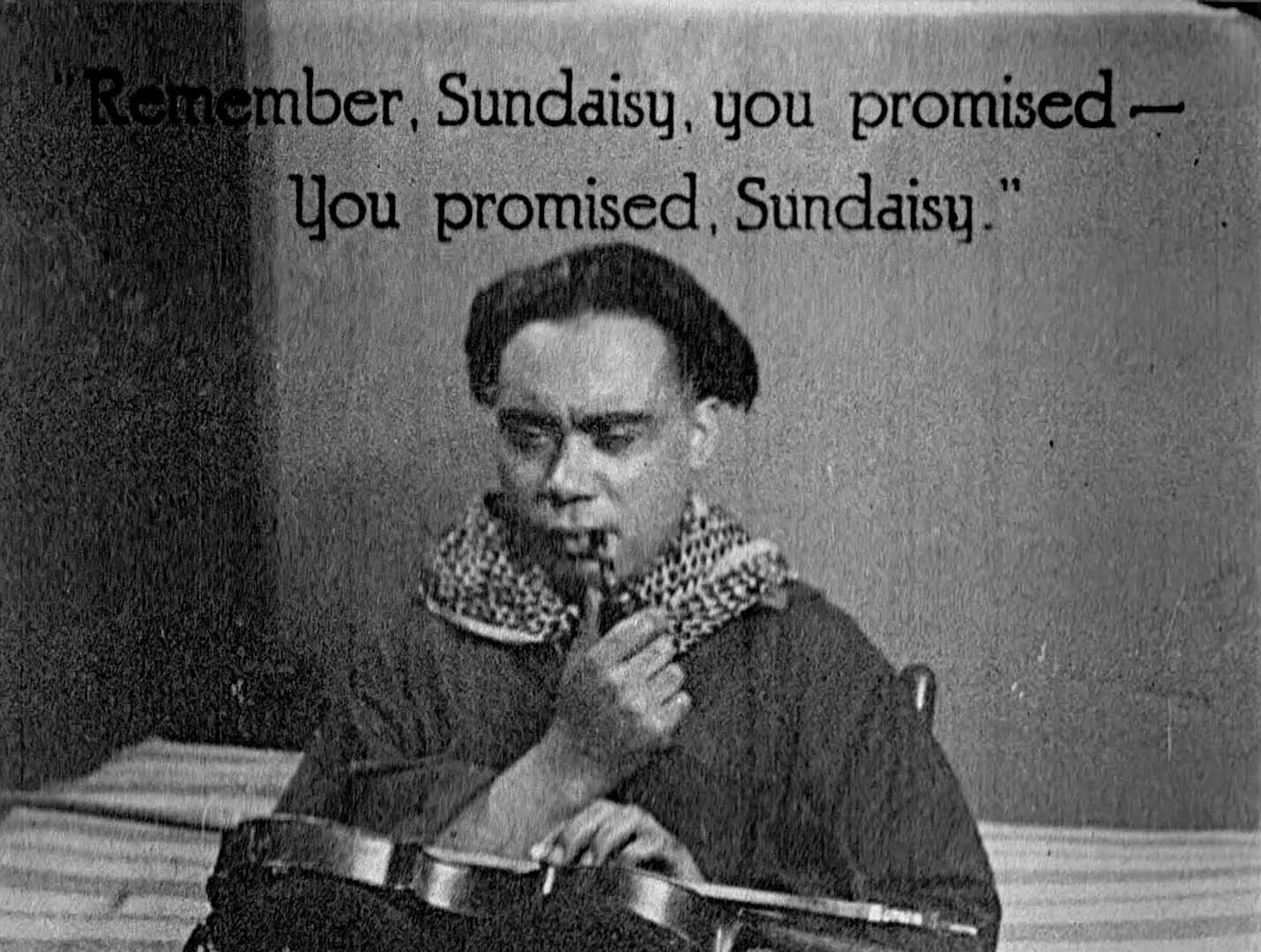
Damon Locks is a Chicago-based visual artist, educator, vocalist/musician. He attended the Art Institute of Chicago where he received his BFA in fine arts. In 2025 he stepped down from being the Board President on the Prison and Neighborhood Arts/Education Project which allowed him to teach art at Stateville Correctional Center for 11 years. He is a 2025 recipient of the Creative Capital Award and the Evolving Democracy Fellowship through Project&. In 2017 he became a Soros Justice Media Fellow. He received the Helen Coburn Meier and Tim Meier Achievement Award in the Arts in 2015. In 2019, he became a 3Arts Awardee. He spent four years as an artist in residence as a part of the MCA’s SPACE Program, introducing civically engaged art into the curriculum at Sarah E. Goode STEM Academy High School. He taught Improvisation in the Sound Department at The School of the Art Institute of Chicago. As well as being a visual artist and solo musician, Locks leads the Black Monument Ensemble, is a member of New Future City Radio and Exploding Star Orchestra, and cofounded the bands Trenchmouth and The Eternals.
About the director
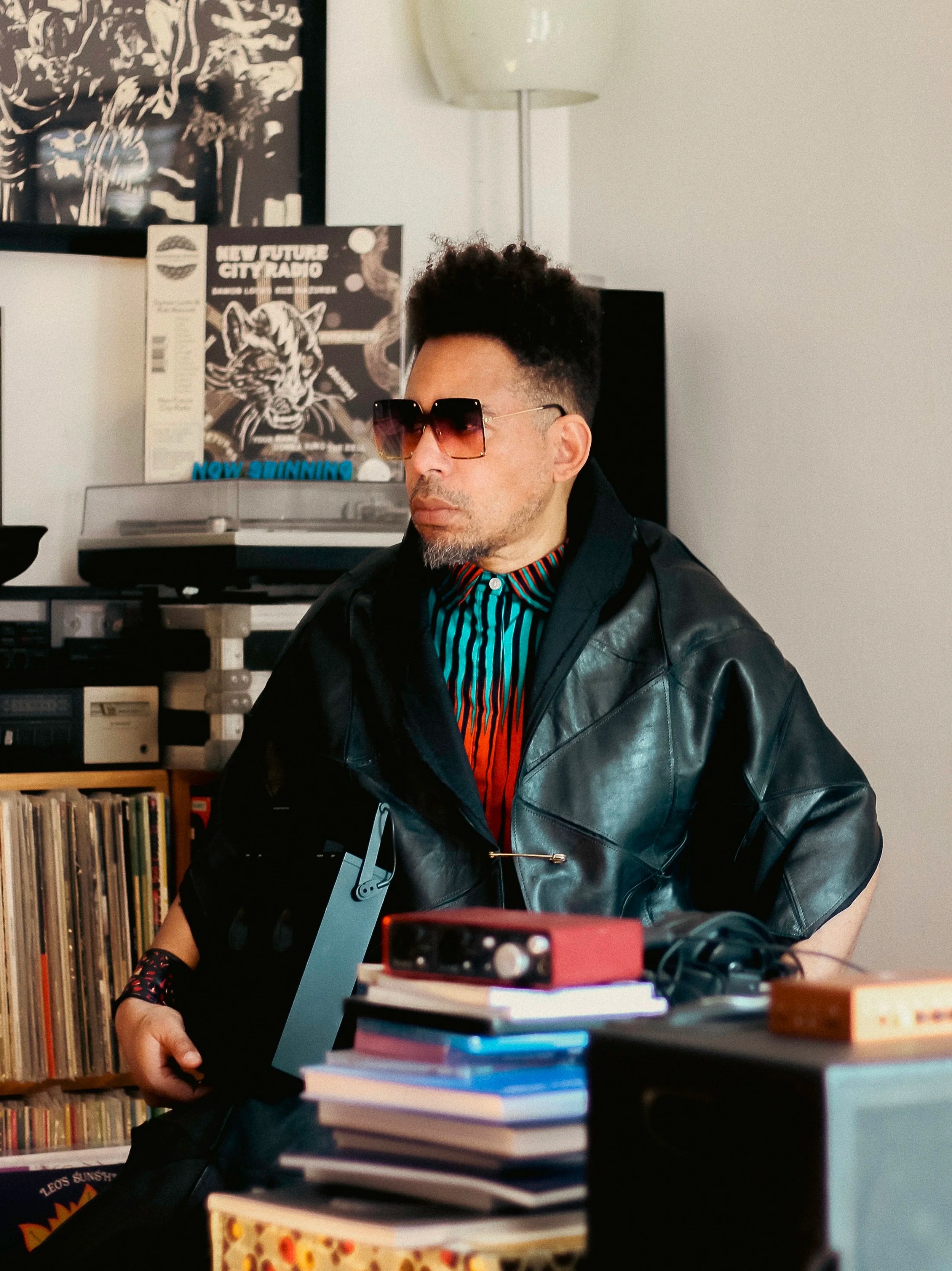
Richard D. Maurice, born in Matanzas, Cuba in 1893 before immigrating to the United States in 1903, was the founder of the Maurice Film Company in 1920. Located on High Street in Detroit, Michigan, the company headquarters sat in the prolific Black district known as Paradise Valley. With no formal filmmaking education, Maurice was able to make several comedy reels and short films like Home Brew (1920), as well as two feature length films made almost two decades apart, Nobody’s Children (1920) and Eleven P.M. (1928). Though Nobody’s Children was the more popular of the two features, there are no known surviving film prints or copies. Maurice’s production company would fold shortly after the release of Eleven P.M., after which much of his historical trail as a film producer and director is lost. Historians have documented that he settled in New York City with his family in the 1940s, passing in 1955 at the age of 61.
About the series:
Presented as part of “Repossessed: Reviving Supernatural Cinema from Beyond the Grave,” a series of three films about possession and resurrection whose eerie afterlives invite us to think about film preservation as a kind of séance. From the lost shot-on-video horror of Florida Panhandle triple-threat Kip Hanks, to the surreal Detroit-set reverie of Black film pioneer Richard D. Maurice’s ELEVEN P.M. (1928), to Louisville maverick William Girdler’s drive-in doppelgänger to one of the biggest hits of the 1970s, these films were made by defiantly independent filmmakers working far outside the studio system.
Each of these remarkable films, surviving in only one or two known copies, might have died with their creators; instead, the strange forces of fate and the passions of obsessed (or possessed) collectors have conspired to keep them alive. For each of these extremely rare screenings, a Block Cinema team member will provide an extended introduction to the mysterious circumstances behind the film’s death and resurrection, inviting audiences to approach the projection as a form of communion with the dead.
Contact The Block Museum of Art for more information: (847) 491-4000 or email us at block-museum@northwestern.edu