Event Details
Date & Time:
Thu November 19, 2026
7 PM
Audience:
Open to the public

Details:
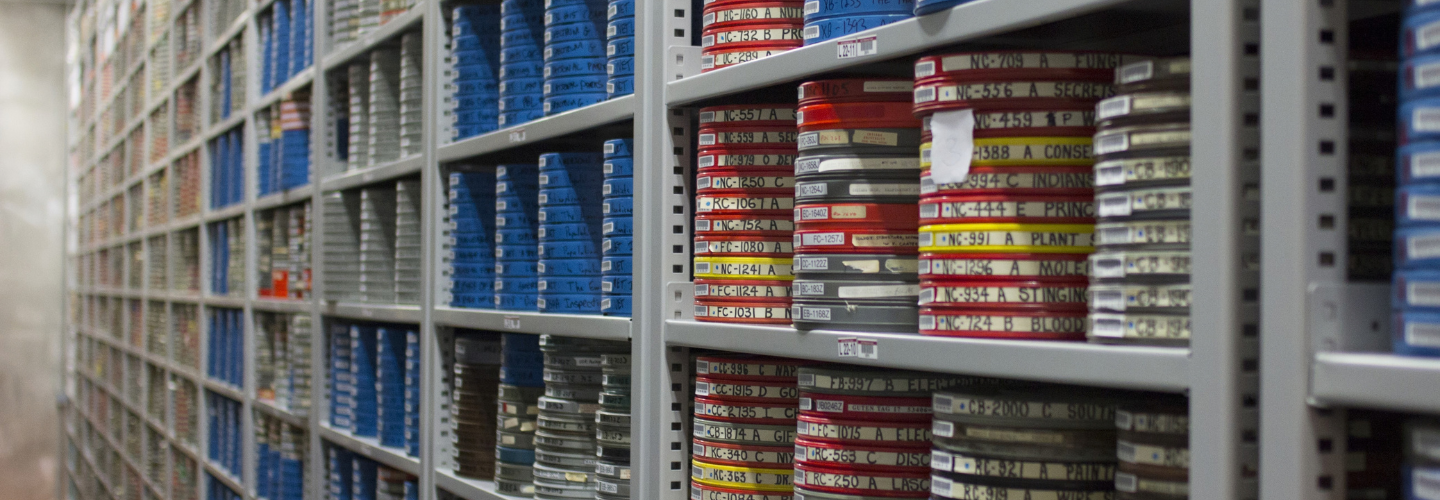
You (Probably) Haven't Seen This Before is a screening series of shorts from Indiana University Libraries Moving Image Archive (IULMIA), focused on underrepresented narratives and unpolished modes of expression: educational, experimental, amateur. 16mm and scratched, these are films that reward the curious. You may have seen these on a rainy Wednesday in a classroom in 1962, otherwise, you probably haven’t seen these before.
This program turns toward everyday people and ordinary, everyday life. Each film was made by a film student or recent graduate pointing a camera at the neighborhoods and people closest to them.
Co-presented with support from the Alice Kaplan Institute for the Humanities.
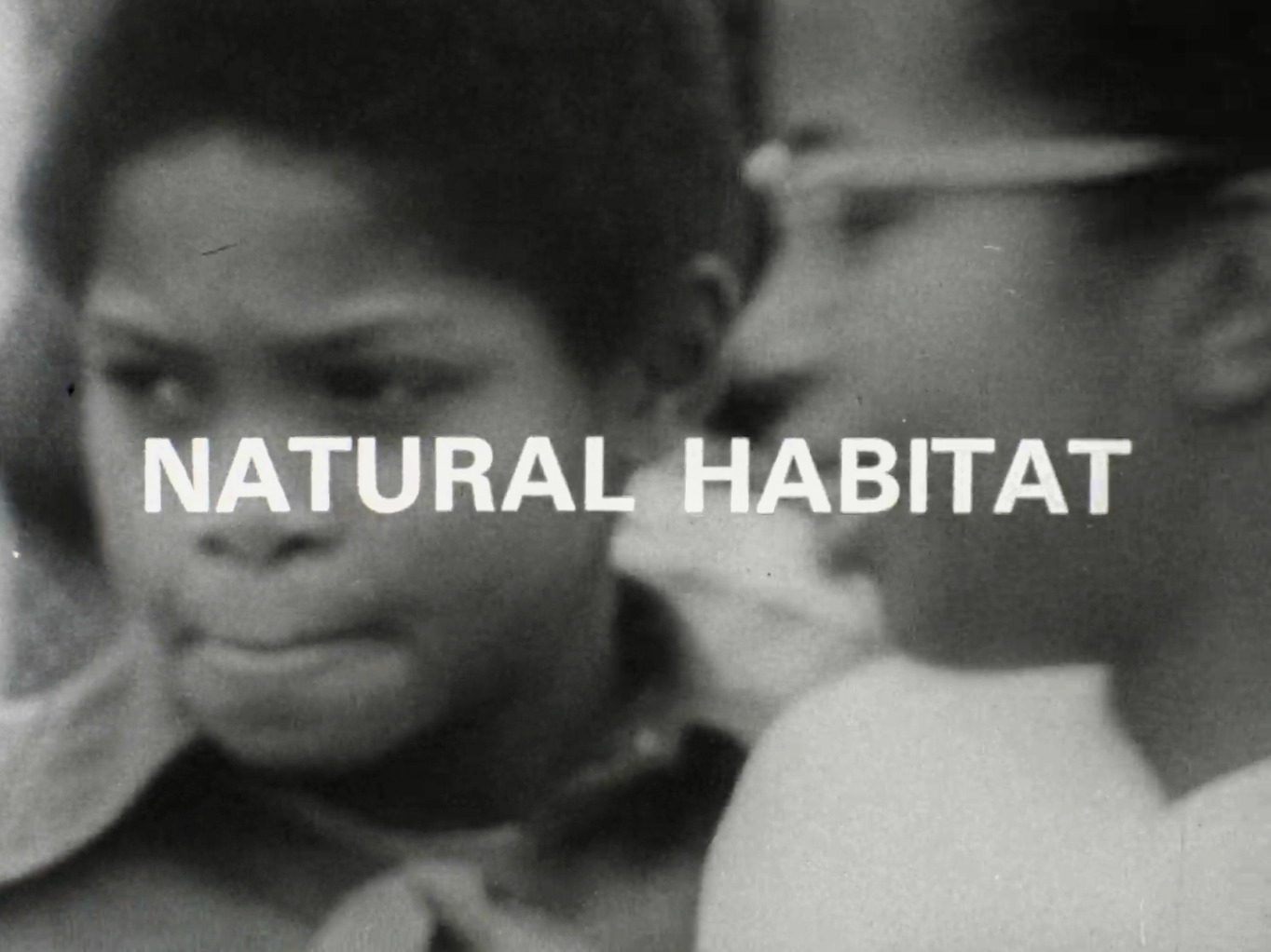
Natural Habitat (1970, Dir. Ralph Arlyck, 18min, 16mm)
A montage of film clips that capture the boredom of daily life in our modern industrialized society.
Ralph Arlyck, graduate of San Francisco State University.
Where Did You Get That Woman? (1983, Dir. Loretta Smith, 29 min, 16mm)
An affectionate portrait of Joan Williams, an aging washroom attendant who thrives on the social stimulation afforded by her job. Archival still photographs and authentic recordings by folk musicians and blues artists are used to suggest links between her personal history and the shared experience of a generation of Black women.
Loretta Smith, graduate of Columbia College Chicago.

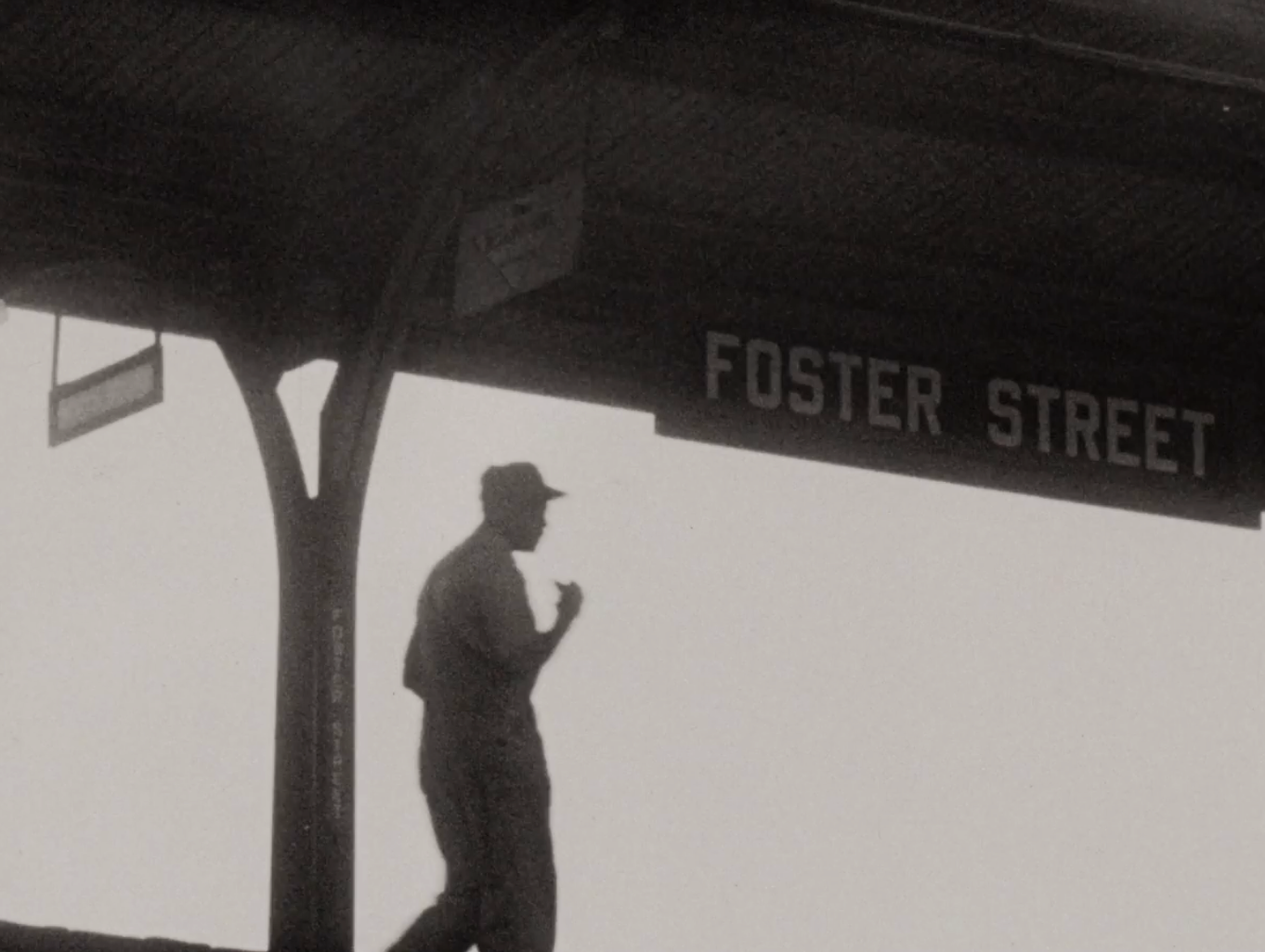
Foster Street (1959, Dir. Thomas G. Smith, 13 min, 16mm)
An atmospheric, slice-of-life portrait of Chicago in the late 1950s. Observational and cinéma vérité in spirit, the film catches the city's citizens, routines, and landscape as they were.
Thomas G. Smith, graduate of Northwestern University.
Mimi (1972, Dir. Dan Nelken, 12 min, 16mm)
Told through still photographs, this film follows the daily life of Mimi, a happy, well-adjusted young woman with a permanent physical disability. She attends public school, marries, and pursues a career in art, and she does not want to be defined by her disability. The film also examines the architectural and psychological barriers, and the educational and employment discrimination, that people with disabilities face.
Dan Nelken, graduate of Pratt University.
Total running time: approximately 72 minutes
BIOS
Carmel Curtis & Charlie Allen are archivists and collaborators based in Bloomington, Indiana. They work together at Indiana University Libraries Moving Image Archive (IULMIA), a space that prioritizes human connection while preserving media of purpose and practice: moving images created with specific social, educational, or cultural objectives, as well as works that explore the craft of media making itself. With more than 130,000 items spanning nearly 100 years of media production, IULMIA is dedicated to the long-term preservation of this history and its active use today.
The archive's Director (Curtis) and Media Preservation Specialist (Allen) embody IULMIA's mission by modeling care and compassion toward each other, their communities, and the media they preserve. Curtis, a Bronx native, and Allen, originally from Rochester, NY, bring over 30 years of combined experience across libraries, archives, museums, projection booths, and cultural heritage institutions.
Carmel Curtis is a moving image archivist and curator. She is committed to connecting communities to media that center underrepresented narratives and motion picture practices. Carmel is the Director of the Indiana University Libraries Moving Image Archive, a collection of more than 130,000 items spanning nearly a century of educational, industrial, and amateur media production.
About Special Collections
From major research universities with dedicated film archives to liberal arts colleges, art schools, and even public libraries, archivists and librarians at institutions across the US maintain and facilitate access to significant (and sometimes one-of-a-kind) film and video collections. Each of these archives tells fascinating stories about passionate educators using media to enhance their curriculum, about regional filmmakers whose work found crucial support in local librarians, and about the malleability, durability, and portability of the medium of film.
Block Cinema’s “Special Collections” initiative will invite the archivists and librarians stewarding these materials to showcase rare, significant, and underappreciated materials held at their institutions. Each quarter, the Block will spotlight one collection of significant film materials at a different institution, bringing audiences into the practical challenges of exhibiting physical media in the present, and of preserving these legacies for the future.
Contact The Block Museum of Art for more information: (847) 491-4000 or email us at block-museum@northwestern.edu